Five Ways to Check Weather Off-Grid
- Direct Smartphone Satellite SMS: Uses native satellite texting on newer phones with no added hardware or recurring subscriptions.
- Satellite Communicators (Garmin inReach, ZOLEO, SPOT X): Standalone devices with dedicated SOS buttons, requiring hardware purchases and monthly subscriptions.
- NOAA Weather Radios: Free VHF broadcasts, but easily blocked by mountains, deep valleys, and canyons.
- Portable Satellite Terminals (Starlink Mini): High-speed internet suited for vehicles and base camps, but heavy and power-hungry for backpacking.
- Barometric Pressure & Cloud Observation: Analog techniques for reading incoming pressure drops and storm clouds in the field.
Why Weather Tracking Matters in the Backcountry
According to search-and-rescue teams across national parks and wilderness areas, the majority of backcountry emergencies stem from environmental exposure rather than traumatic injuries.
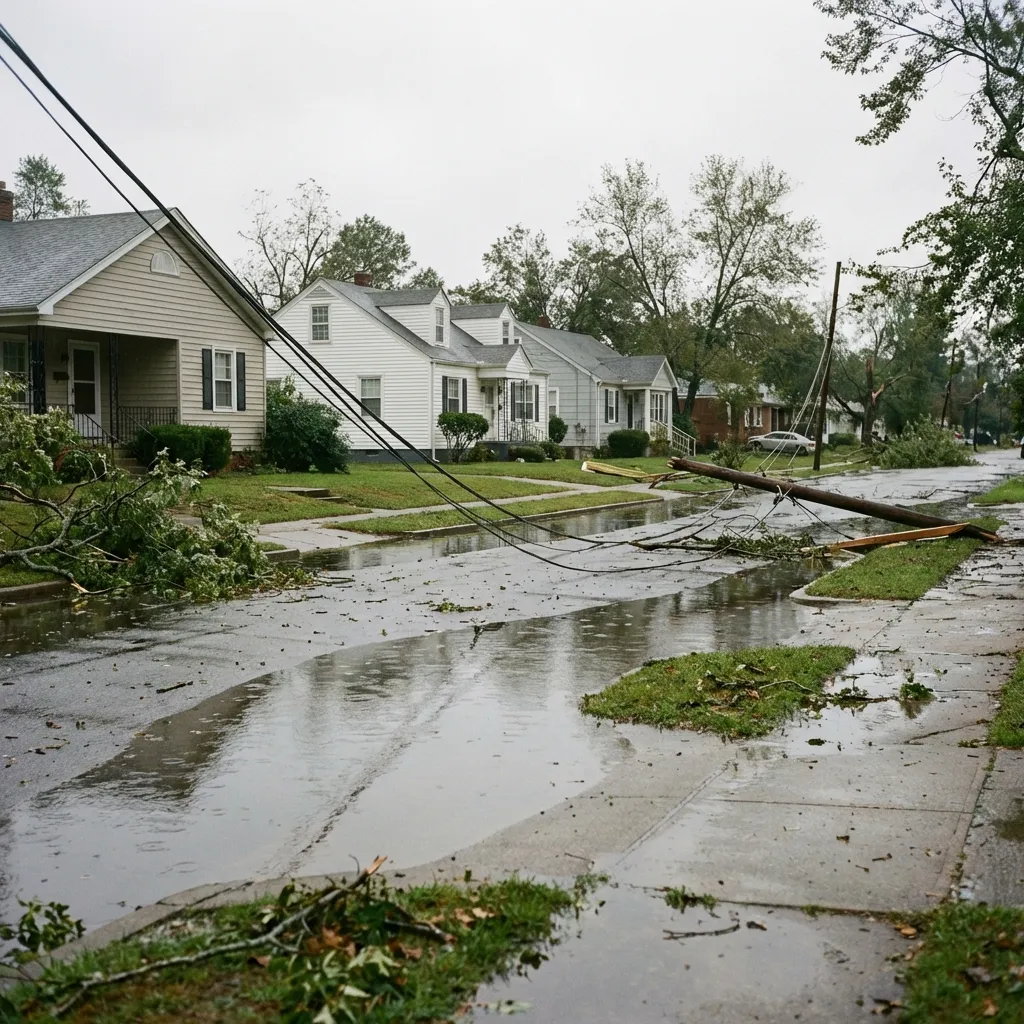
Sudden temperature drops, afternoon thunderstorms, high winds on exposed ridges, and flash floods in narrow drainages can transform an ordinary hike into a difficult situation quickly. When you are miles beyond cell coverage, relying on a forecast you checked days ago before leaving home leaves you unprepared for shifting weather patterns.
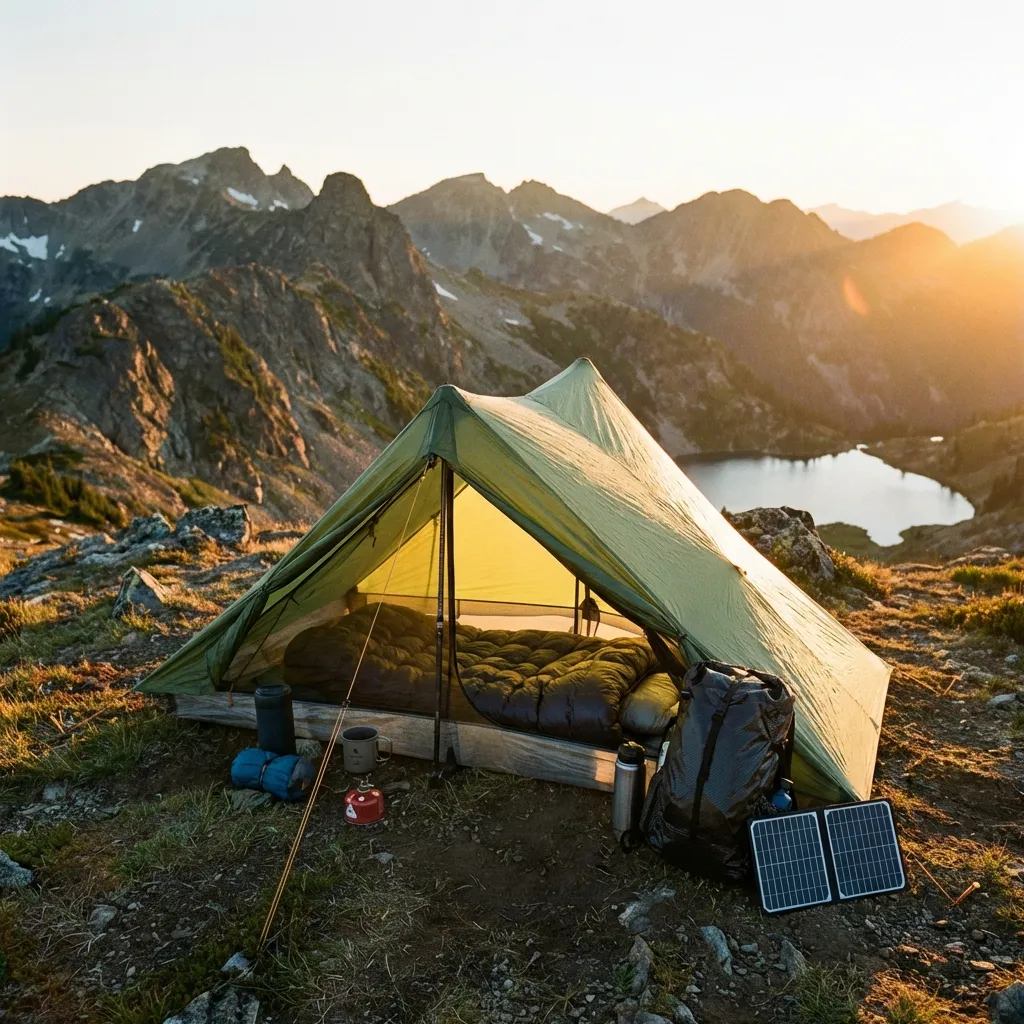
Checking updated weather directly from camp helps you make sensible decisions: crossing high passes early in the day, avoiding narrow canyons when rain is probable, and pitching camp before heavy wind or precipitation sets in.
Comparing the Five Off-Grid Weather Methods
Direct Smartphone Satellite SMS (SMS Weather On Demand)
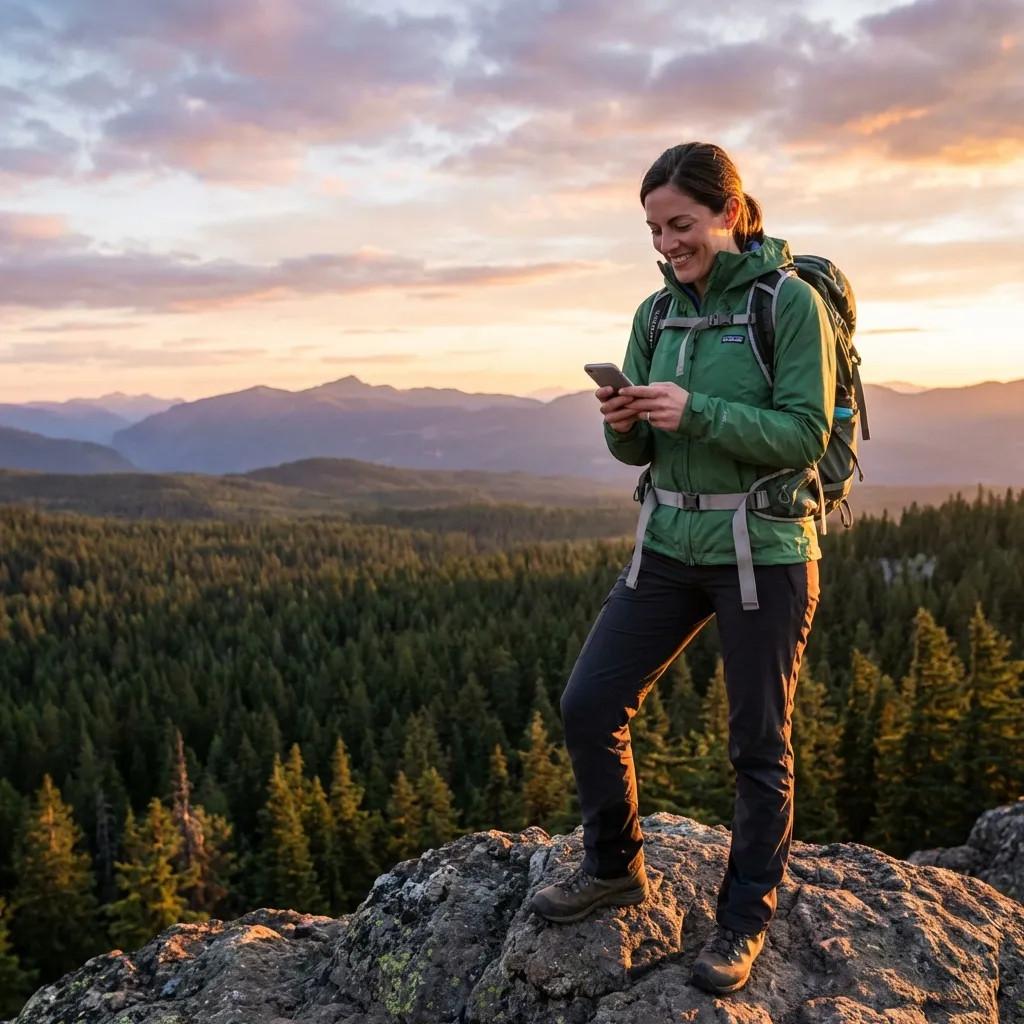
Recent smartphone generations include satellite communication hardware built directly into the handset. Modern iPhones (iPhone 14 or newer) support two-way satellite messaging, and newer Android flagships support direct non-terrestrial network connections.
How it works: Open the lightweight offline PWA saved to your phone's home screen. The app grabs your current GPS coordinates and formats a text request. You send that text via satellite messaging to an automated number to receive hourly and daily forecasts for your specific location coordinates.
- No additional equipment to carry.
- No monthly subscriptions or annual plans.
- Pay-as-you-go pricing (pennies per forecast).
- Hourly and daily forecasts for your specific location coordinates.
- Needs a clear line of sight to open sky.
- Requires a phone that supports satellite messaging.
Two-Way Satellite Communicators (Garmin inReach, ZOLEO, SPOT X)
Handheld satellite communicators have long been the standard for off-grid messaging. Devices like the Garmin inReach Mini 2 connect to phone apps or provide standalone messaging controls.
The Trade-Off: While these devices offer dedicated physical SOS buttons and continuous GPS tracking, using them for weather gets expensive. Basic weather uses up monthly text quotas, and premium forecasts cost extra on top of ongoing subscription fees. Note: If you already own an inReach or SPOT X, you can text SMS Weather On Demand directly from your communicator to get detailed hourly and daily forecasts for your specific location coordinates without paying premium add-on fees.
Portable NOAA Weather Radios
NOAA Weather Radio broadcasts continuous weather information across seven VHF frequencies (162.400 to 162.550 MHz) from stations nationwide.
The Limitation: VHF broadcasts require line-of-sight signal paths. Reception is often clear on elevated ridges within 40 miles of a transmitter, but drops off entirely once you descend into mountain valleys, deep canyons, or heavily forested basins.
Mobile Satellite Internet (Starlink Mini)
Compact satellite internet terminals allow travelers to access full broadband websites, animated radar loops, and synoptic maps away from cell reception.
The Limitation: Weighing over 2.5 pounds plus required power banks, and costing $50 to $150 per month, these terminals make sense for vehicle overlanding, base camps, or cabins, but are too heavy for backpacking.
Barometric Altimeters and Natural Weather Signs
Before digital tools, backcountry travelers relied on barometric pressure changes and cloud observations:
- Pressure Drops: If your elevation stays fixed (such as overnight at camp) and barometric pressure drops steadily by more than 1.5 hPa over three hours, an incoming low-pressure system is likely.
- Towering Clouds: Rapid vertical cloud development early in the morning often indicates rising moisture and a higher chance of afternoon thunderstorms.
- Wind Direction Changes: A sudden shift in wind direction or speed often precedes a front or storm downdraft.
Step-by-Step: Requesting a Weather Forecast in the Field
Save the App Before Your Trip
While you still have internet access, open SMS Weather On Demand and select "Add to Home Screen". The app will cache on your phone so it works without cellular reception.
Acquire Your GPS Position
Open the app when you need a forecast. It reads your phone's GPS to find your exact latitude and longitude.
Find an Open View of the Sky
Step out into a clearing, away from dense overhead tree cover or steep cliff faces, to get a clear satellite connection.
Send the SMS Request
Tap to send the pre-formatted coordinates to the service number. You will receive a compact forecast reply via satellite in one to two minutes.
Frequently Asked Questions
What is the best way to check the weather without cell service? ▾
The fastest, most cost-effective method is using native direct-to-satellite SMS on modern smartphones (iPhone 14+ on iOS 18+, Google Pixel 9 / Samsung Galaxy S25 on Android 15+) paired with SMS Weather On Demand. It requires zero extra hardware weight and zero monthly subscriptions, providing hourly and daily forecasts for your specific location coordinates anywhere you have a view of the sky.
Do NOAA weather radios work in deep backcountry canyons? ▾
NOAA All Hazards Weather Radios broadcast on VHF frequencies (162.400 to 162.550 MHz), which require strict line-of-sight propagation. If you are deep in a river gorge, alpine canyon, or behind a high mountain ridge, the VHF radio signal is completely blocked by terrain, resulting in silence or static.
Can you use a Garmin inReach to check weather without a subscription? ▾
No. Garmin inReach hardware requires an active paid monthly or annual satellite subscription plan ($14.95 to $64.95/month) to transmit or receive any data. In addition, Garmin charges $1.00 plus a message deduction for premium weather forecasts.
How does a barometric altimeter indicate weather changes? ▾
A barometric sensor detects atmospheric pressure. If your elevation remains constant (such as overnight at camp) and the barometric pressure drops rapidly by more than 1.5 millibars (hPa) per hour, it strongly indicates that a low-pressure system, cold front, or severe storm is approaching within 6 to 12 hours.
Does Starlink Mini work for backpacking weather? ▾
While Starlink Mini provides high-speed satellite broadband, the dish weighs over 2.5 pounds, requires a 20-40 watt external power bank, and costs $50 to $150/month in service fees. It is ideal for overland vehicles, basecamps, and boats, but impractical for ultralight wilderness backpackers.
What satellite networks support phone-to-satellite text messaging? ▾
Apple utilizes the Globalstar LEO constellation for emergency and bidirectional satellite messaging on iOS 18+. Android devices and major carriers (such as T-Mobile with SpaceX Starlink Direct-to-Cell, and Skylo via Viasat/Echostar) use 3GPP Non-Terrestrial Network (NTN) standards to connect standard smartphone antennas directly to orbiting satellites.